
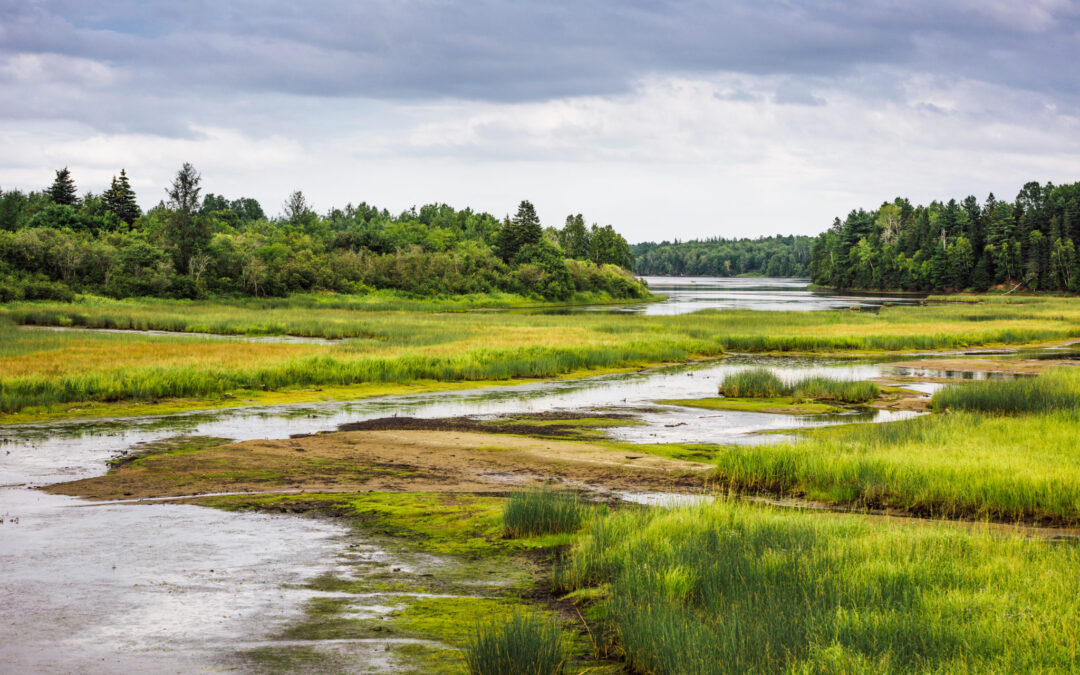
Wetlands can be found in landscapes where water is slowed down due to topography (i.e., very flat, depressions etc.). Wetlands are also found where groundwater discharges or is very close to the surface. Generally, wetlands have permanent, seasonal, and temporary zones. Wetlands are habitats that act as a transition from terrestrial ecosystems to aquatic ecosystems. Plants that are specifically adapted to wetland soils can be found in wetlands. These plants are called hydrophytes and play an important role in slowing down the movement of water through the landscape (Collins, 2005).
The following characteristics can be ascribed to wetlands:
- Hydrology: The soil is covered by water on the surface or close to it to create saturated conditions which leads to reduction occurring.
- Saturated soil: The soil is hydric which means that reduction has occurred in other words the soil is depleted of oxygen; and
- Hydrophytic vegetation: These hydrophytes are adapted to grow in anaerobic conditions of hydric soils (Collins, 2005).
South Africa is a water scarce country. Without sufficient water food security is compromised, industrial growth is capped, and the tourism industry cannot expand. Our economy is therefore dependent on a continual supply of water of sufficient quality and quantity. Wetlands regulate our water supply, and aid in preventing erosion of rivers and thus siltation (and loss of storage capacity) of dams. These water resources therefore make direct and indirect contributions to the well-being of humans, the environment, and the economy, by improving water quality and contributing to water security, sediment trapping and/or regulating runoff. Despite these benefits, wetlands are amongst the most impacted and degraded of all ecosystems. Global assessments indicate that the majority of remaining wetlands are degraded or under threat of degradation. Continued wetland destruction will result in less pure water, less reliable water supplies, increased erosion and flooding, lower agricultural productivity, and more endangered species.
Wetlands play an important role in water security through the recharge of groundwater, which in turn leads to the replenishment of aquifers, as well as by augmenting stream and river flow. This in many instances has the effect of sustaining flow throughout the year. The soils in conjunction with the vegetation within a wetland act as a sponge, which retains water long after precipitation events. The water within the wetland zones then slowly release water into rivers and streams during the dry periods, providing streamflow regulation throughout the year. Wetland vegetation prevents erosion by binding and stabilizing the soil, dissipating energy from stream flow and storm events. Certain wetland plant species possess the capacity to rapidly recover after storm events.
Wetland systems provide a variety of ecosystem goods and services either directly or indirectly.
The direct benefits include:
- Valuable source of water supply.
- Provision of harvestable resources.
- Socio and cultural significance.
- Tourism and recreation.
- Education and research.
- Livestock grazing.
- Valuable land for fishing and cultivation.
The indirect benefits include:
- Water purification.
- Sustained stream flow.
- Flood reduction/attenuation.
- Ground water recharge.
- Erosion control.
- Chemical cycling.
- Biodiversity conservation.
~ Albert van Eeden
