
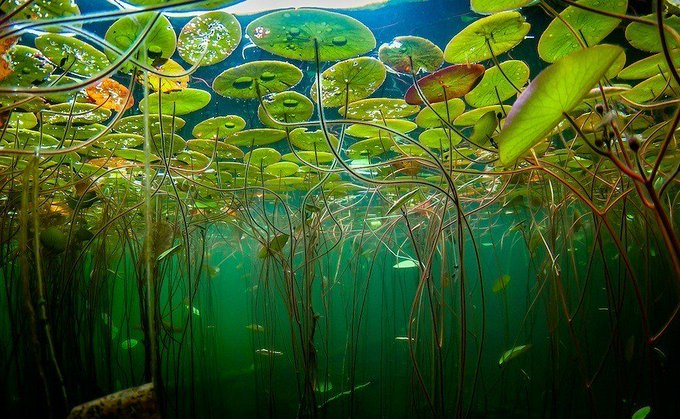
Shining light on the importance of Aquatic Ecological Studies in South Africa.
Water is life.
At least for most animals and humans. Yet surface water is being polluted at a rapid pace in South Africa. Severe decrease in the biota within water ways, and decrease in the ecological function and integration of our water systems.
An aquatic study uses biota (animals) to classify a stream or waterway according to their ecological functionality class ranging from A ( Natural) to E/F ( critically modified).
With an Aquatic study one uses different bio-indicators (Biological indicators) to evaluate a stream according to its ecological functionality. The bio-indicators that are industrially used are Fish, Algae and Macro-invertebrates.
Each bio-indicator has its own application and method used and works in different stream environments.
One uses an aquatic study to evaluate a stream condition before, during and after development to ensure there is a minimal negative impact on the nearby aquatic systems depending on the location of the nearby aquatic systems.
Aquatic studies are important to establish a baseline before developments starts, evaluate the impact of a development on aquatic study and finding point source pollutions (IF possible). Depending on the type of development, the scale of a development and the activities a development will practise, aquatic study aids in mitigations to minimize the impact on nearby aquatic systems that a development has.
~Marinus Du Preez
