
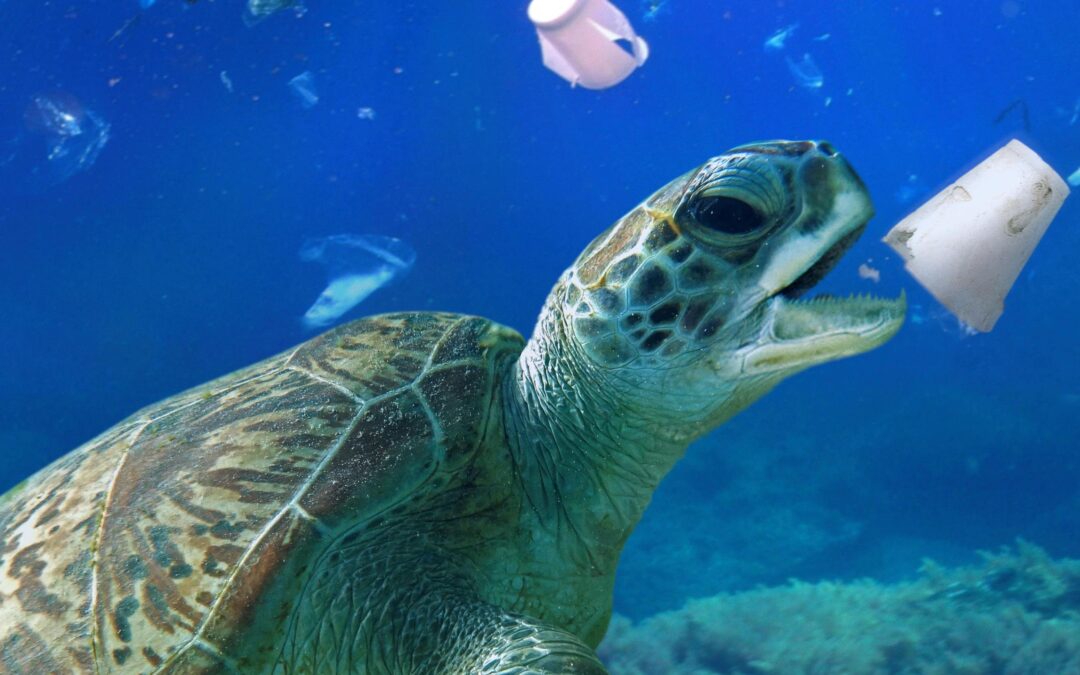
The ocean remains one of the most extensive and diverse places on Earth, but unfortunately it is being threatened by various sources of pollution such as oil spills, toxic wastes and litter which is mainly plastic.
The oceanic ecosystem as a whole becomes threatened simply because of human mismanagement, poor decision making and the attitude of “when it’s out of sight, it’s not my problem anymore.”
A few facts on plastic-pollution in our oceans which you might not have realised:
* At least 8 million tons of plastic enter the oceans each year. That’s similar to emptying a garbage truck of plastic into the ocean every minute.
* There is more microplastic in the ocean than there are stars in the Milky Way.
* Over 100,000 marine animals die every year from plastic entanglement and ingestion. More than 50 percent of sea turtles have consumed plastic.
* In the past 10 years, we’ve made more plastic than the last century.
World Oceans Day 2022 shines the light on REVITALIZATION – Collective action for the ocean. Meaning that communities, organisations, industries and all human beings take collective action to restore the ocean’s health and limit the amount of pollution entering into it.
If we are to preserve the ocean and protect marine life, we ought to drastically revise our regulations, policies and legislation on waste management.
A very good example the world can turn an eye to is Kenya. Plastic bags are illegal in Kenya. People found using, selling, or manufacturing them risk 4 years of imprisonment and a $40,000 fine.
Every country has the obligation towards our oceans to put viable measures in place that is attainable for them and to hold themselves accountable.
Credits:
www.conserve-energy-future.com/various-ocean-pollution-facts.php
www.condorferries.co.uk/marine-ocean-pollution-statistics-facts
